$11.97
$23.7
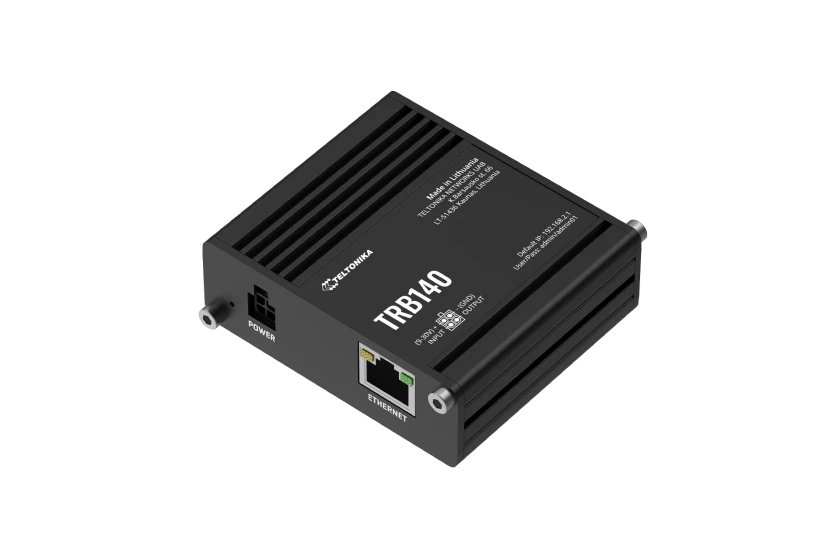
Lýsing Industrial LTE Cat 4 Gateway Board TRB140 is equipped with a single Ethernet port, Digital Inputs/Outputs and micro-USB port. TRB140 compact design makes this Gateway perfect for an application where a sole gadget must be granted reliable Internet connectivity. TRB140 is engineered to be used in an Industrial application therefore it has a wide range of software features such as SMS control, Firewall, Open VPN, IPsec, RMS and FOTA support. Meiri upplýsingar hér Notenda leiðbeiningar Mobile Mobile module 4G LTE Cat 4 up to 150 DL/50 UL Mbps; 3G up to 21 DL/5.76 UL Mbps; 2G up to 236.8 DL/236.8 UL kbps 3GPP Release Release 11 Status IMSI, ICCID, operator, operator state, data connection state, network type, bandwidth, connected band, signal strength (RSSI), SINR, RSRP, RSRQ, EC/IO, RSCP, data sent/received, LAC, TAC, cell ID, ARFCN, UARFCN, EARFCN, MCC, and MNC SMS SMS status, SMS configuration, EMAIL to SMS, SMS to EMAIL, SMS to HTTP, SMS to SMS, scheduled SMS, SMS autoreply, SMPP USSD Supports sending and reading Unstructured Supplementary Service Data messages Block/Allow list Operator block/allow list (by country or separate operators) Multiple PDN Possibility to use different PDNs for multiple network access and services Band management Band lock, Used band status display SIM PIN code management SIM PIN code management enables setting, changing, or disabling the SIM card’s PIN APN Auto APN Bridge Direct connection (bridge) between mobile ISP and device on LAN Passthrough Gateway assigns its mobile WAN IP address to another device on LAN Ethernet ETH 1 x ETH port, 10/100/1000 Mbps, compliance with IEEE 802.3, IEEE 802.3u, 802.3az standards, supports auto MDI/MDIX crossover Network Routing Static routing Network protocols TCP, UDP, IPv4, IPv6, ICMP, NTP, DNS, HTTP, HTTPS, SFTP, FTP, SMTP, SSL/TLS, ARP, VRRP, PPP, PPPoE, UPNP, SSH, DHCP, Telnet, SMPP, SNMP, MQTT, Wake On Lan (WOL), VXLAN VoIP passthrough support H.323 and SIP-alg protocol NAT helpers, allowing proper routing of VoIP packets Connection monitoring Ping Reboot, Wget Reboot, Periodic Reboot, LCP and ICMP for link inspection Firewall Port forward, traffic rules, custom rules, TTL target customisation Firewall status page View all your Firewall statistics, rules, and rule counters Port management View device ports, enable and disable each of them, turn auto-configuration on or off, change their transmission speed, and so on Network topology Visual representation of your network, showing which devices are connected to which other devices Hotspot Captive portal (hotspot), internal/external Radius server, Radius MAC authentication, SMS authorisation, SSO authentication, internal/external landing page, walled garden, user scripts, URL parameters, user groups, individual user or group limitations, user management, 9 default customisable themes and optionality to upload and download customised hotspot themes DHCP Static and dynamic IP allocation, DHCP relay, DHCP server configuration, status, static leases: MAC with wildcards QoS / Smart Queue Management (SQM) Traffic priority queuing by source/destination, service, protocol or port, WMM, 802.11e DDNS Supported >77 service providers, others can be configured manually DNS over HTTPS DNS over HTTPS proxy enables secure DNS resolution by routing DNS queries over HTTPS Network backup Mobile, VRRP, Wired options, each of which can be used as an automatic Failover SSHFS Possibility to mount remote file system via SSH protocol Traffic Management Real-time monitoring, wireless signal charts, traffic usage history Security Authentication Pre-shared key, digital certificates, X.509 certificates, TACACS , Internal & External RADIUS users authentication, IP & login attempts block, time-based login blocking, built-in random assword generator Firewall Preconfigured firewall rules can be enabled via WebUI, unlimited firewall configuration via CLI, DMZ, NAT, NAT-T, NAT64 Attack prevention DDOS prevention (SYN flood protection, SSH attack prevention, HTTP/HTTPS attack prevention), port scan prevention (SYN-FIN, SYN-RST, X-mas, NULL flags, FIN scan attacks) VLAN Port and tag-based VLAN separation Mobile quota control Mobile data limit, customizable period, start time, warning limit, phone number WEB filter Blacklist for blocking out unwanted websites, Whitelist for specifying allowed sites only Access control Flexible access control of SSH, Web interface, CLI and Telnet SSL certificate generation Let’s Encrypt and SCEP certificate generation methods VPN OpenVPN Multiple clients and a server can run simultaneously, 27 encryption methods OpenVPN Encryption DES-CBC 64, RC2-CBC 128, DES-EDE-CBC 128, DES-EDE3-CBC 192, DESX-CBC 192, BF-CBC 128, RC2-40-CBC 40, CAST5-CBC 128, RC2-64-CBC 64, AES-128-CBC 128, AES-128-CFB 128, AES-128-CFB1 128, AES-128-CFB8 128, AES-128-OFB 128, AES-128-GCM 128, AES-192-CFB 192, AES-192-CFB1 192, AES-192-CFB8 192, AES-192-OFB 192, AES-192-CBC 192, AES-192-GCM 192, AES-256-GCM 256, AES-256-CFB 256, AES-256-CFB1 256, AES-256-CFB8 256, AES-256-OFB 256, AES-256-CBC 256 IPsec XFRM, IKEv1, IKEv2, with 14 encryption methods for IPsec (3DES, DES, AES128, AES192, AES256, AES128GCM8, AES192GCM8, AES256GCM8, AES128GCM12, AES192GCM12, AES256GCM12, AES128GCM16, AES192GCM16, AES256GCM16) GRE GRE tunnel, GRE tunnel over IPsec support PPTP, L2TP Client/Server instances can run simultaneously, L2TPv3, L2TP over IPsec support Stunnel Proxy designed to add TLS encryption functionality to existing clients and servers without any changes in the program’s code DMVPN Method of building scalable IPsec VPNs, Phase 2 and Phase 3 and Dual Hub support SSTP SSTP client instance support ZeroTier ZeroTier VPN client support WireGuard WireGuard VPN client and server support Tinc Tinc offers encryption, authentication and compression in it’s tunnels. Client and server support. OPC UA Supported modes Client, Server Supported connection types TCP MODBUS Supported modes Server, Client Supported connection types TCP Custom registers MODBUS TCP custom register block requests, which read/write to a file inside the router, and can be used to extend MODBUS TCP Client functionality Supported data formats 8-bit: INT, UINT; 16-bit: INT, UINT (MSB or LSB first); 32-bit: float, INT, UINT (ABCD (big-endian), DCBA (little-endian), CDAB, BADC), HEX, ASCII DATA TO SERVER Protocol HTTP(S), MQTT, Azure MQTT Data to server Extract parameters from multiple sources and different protocols, and send them all to a single server; Custom LUA scripting, allowing scripts to utilize the router’s Data to server feature MQTT Gateway Modbus MQTT Gateway Allows sending commands and receiving data from MODBUS Server through MQTT broker DNP3 Supported modes Station, Outstation Supported connection TCP DLMS/COSEM DLMS Support DLMS – standard protocol for utility meter data exchange Supported modes Client Supported connection types TCP API Teltonika Networks Web API (beta) support Expand your device’s possibilities by using a set of configurable API endpoints to retrieve or change data. For more information, please refer to this documentation: https://developers.teltonika-networks.com Monitoring & Management WEB UI HTTP/HTTPS, status, configuration, FW update, CLI, troubleshoot, multiple event log servers, firmware update availability notifications, event log, system log, kernel log, Internet status FOTA Firmware update from server, automatic notification SSH SSH (v1, v2) SMS SMS status, SMS configuration Call Reboot, Status, Mobile data on/off, Output on/off, answer/hang-up with a timer TR-069 OpenACS, EasyCwmp, ACSLite, tGem, LibreACS, GenieACS, FreeACS, LibCWMP, Friendly tech, AVsystem MQTT MQTT Broker, MQTT publisher SNMP SNMP (v1, v2, v3), SNMP Trap, Brute force protection JSON-RPC Management API over HTTP/HTTPS RMS Teltonika Remote Management System (RMS) IoT Platforms ThingWorx Allows monitoring of: WAN Type, WAN IP, Mobile Operator Name, Mobile Signal Strength, Mobile Network Type Cumulocity – Cloud of Things Allows monitoring of: Device Model, Revision and Serial Number, WAN Type and IP, Mobile Cell ID, ICCID, IMEI, Connection Type, Operator, Signal Strength. Has reboot and firmware upgrade actions Azure IoT Hub Can be configured with Data to Server to send all the available parameters to the cloud. Has Direct method support which allows to execute RutOS API calls on the IoT Hub. Also has Plug and Play integration with Device Provisioning Service that allows zero-touch device provisioning to IoT Hubs AWS IoT Core Utility to interact with the AWS cloud platform. Jobs Support: Call the device’s API using AWS Jobs functionality System Characteristics CPU ARM Cortex-A7 1.2 GHz RAM 128 MB, DDR2 FLASH storage 512 MB, SPI Flash Firmware / Configuration WEB UI Update FW from file, check FW on server, configuration profiles, configuration backup FOTA Update FW RMS Update FW/configuration for multiple devices at once Keep settings Update FW without losing current configuration Factory settings reset A full factory reset restores all system settings, including the IP address, PIN, and user data to the default manufacturer’s configuration FIRMWARE CUSTOMISATION Operating system RutOS (OpenWrt based Linux OS) Supported languages Busybox shell, Lua, C, C , and Python in Package manager Development tools SDK package with build environment provided GPL customization You can create your own custom, branded firmware and web page application by changing colours, logos, and other elements in our firmware to fit your or your clients’ needs Package Manager The Package Manager is a service used to install additional software on the device Input / Output Input 1 x Digital Input, 0 – 6 V detected as logic low, 8 – 30 V detected as logic high Output 1 x Digital Output, Open collector output, max output 30 V, 300 mA Events Email, RMS, SMS I/O juggler Allows to set certain I/O conditions to initiate event Power Connector 4-pin industrial DC power socket Input voltage range 9 – 30 VDC, reverse polarity protection; surge protection >31 VDC 10us max PoE (passive) Possibility to power up through LAN1 port, not compatible with IEEE802.3af, 802.3at and 802.3bt standards, Mode B, 9 – 30 VDC Power consumption < 5 W Physical Interfaces Ethernet 1 x RJ45 port, 10/100/1000 Mbps I/O’s 1 x Digital Input, 1 x Digital Output on 4-pin power connector Status LEDs 3 x connection type status LEDs, 5 x connection strength LEDs, 2 x LAN status LEDs, 1x Power LED SIM 1 x SIM slot (Mini SIM – 2FF), 1.8 V/3 V Power 1 x 4-pin power connector Antennas 1 x SMA for LTE USB 1 x Virtual network interface via micro USB Reset Reboot/User default reset/Factory reset button Physical Specification Casing material Aluminium housing Dimensions (W x H x D) 74.5 x 25 x 64.4 mm Weight 134 g Mounting options DIN rail, wall mount, flat surface (all require additional kit) Operating Environment Operating temperature -40 °C to 75 °C Operating humidity 10% to 90% non-condensing Ingress Protection Rating IP30 Regulatory & Type Approvals Regulatory CE, UKCA, EAC, UCRF, Anatel, NOM, RCM, Giteki, CITC, Kenya, ICASA, Anatel, Arcotel, NBTC, NTC, IMDA, SIRIM, CB, WEEE, RoHS, REACH Operator Deutsche Telekom AG Vehicle ECE R10 (E-mark) EMC Emissions & Immunity Standards EN 55032:2015 A11:2020 A1:2020 EN 55035:2017 A11:2020 EN 61000-3-3:2013 A1:2019 A2:2021 EN IEC 61000-3-2:2019 A1:2021 EN 301 489-1 V2.2.3 EN 301 489-52 V1.2.1 ESD EN 61000-4-2:2009 Radiated Immunity EN IEC 61000-4-3:2020 EFT EN 61000-4-4:2012 Surge Immunity (AC Mains Power Port) EN 61000-4-4:2014 A1:2017 CS EN 61000-4-6:2014 DIP EN IEC 61000-4-11:2020 RF Standards EN 301 511 V12.5.1 EN 301 908-1 V15.2.1 EN 301 908-2 V13.1.1 EN 301 908-13 V13.2.1 Safety Standards CE: EN IEC 62368-1:2020 A11:2020, EN IEC 62232:2020 RCM: AS/NZS 62368.1:2018 CB: IEC 62368-1:2018
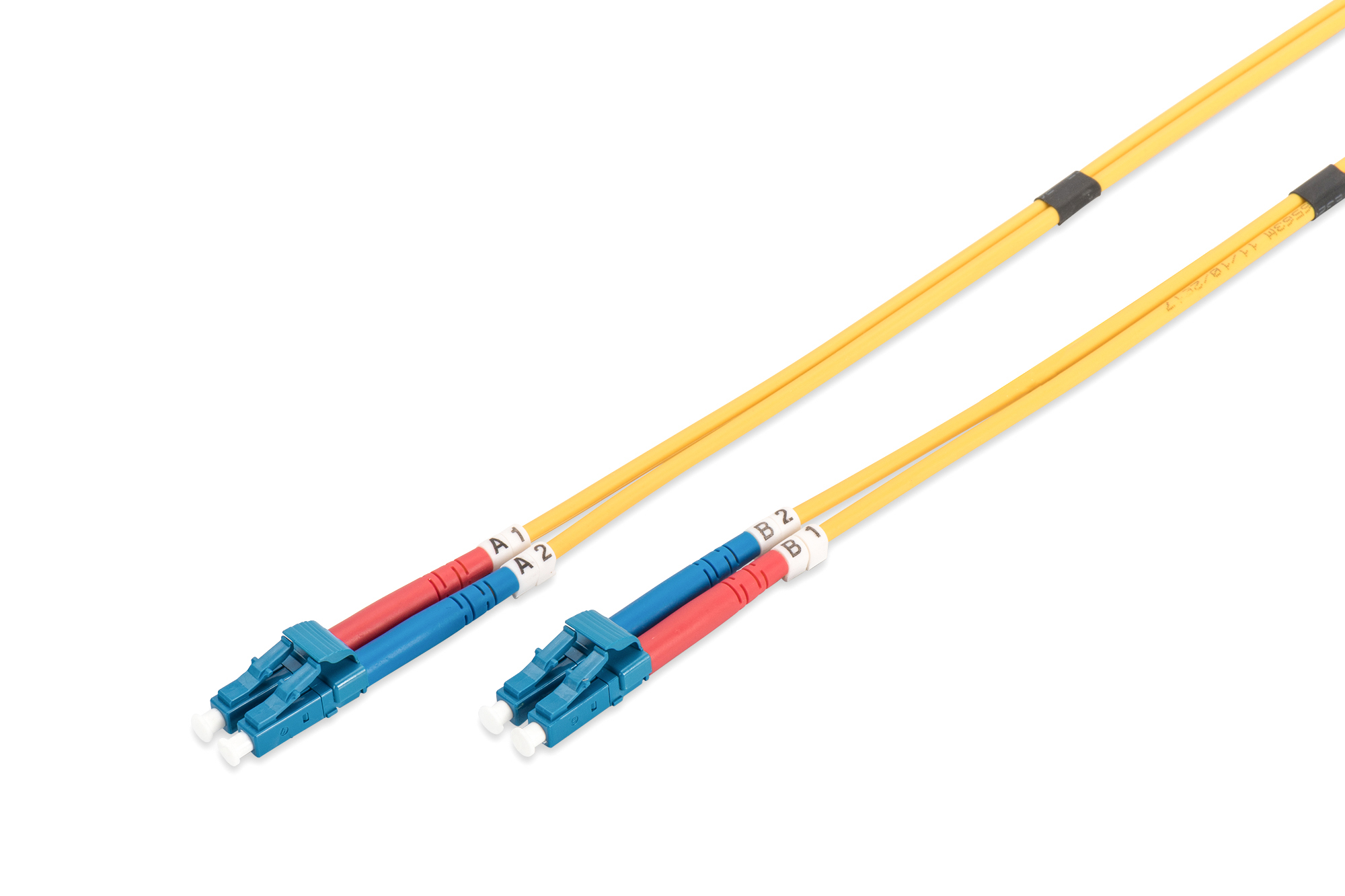
7 Metrar